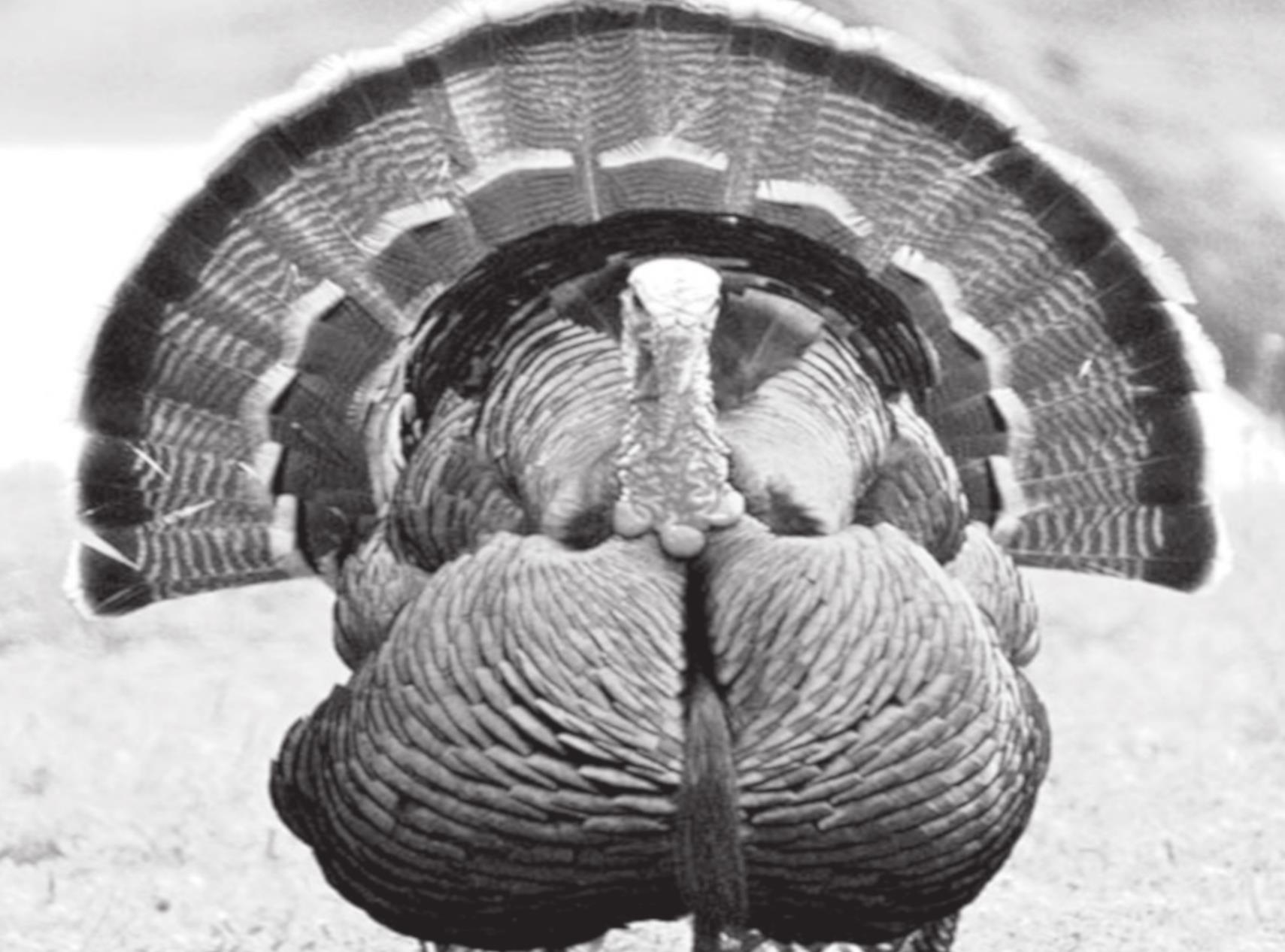
Wildlife Department Wants to Talk Turkey; Survey Asks About Population Decline, Later Season
Oklahomans with a 2021 hunting or fishing license could see that license extended to 365 days from the date of purchase rather than expiring on Dec. 31 if a bill stands as passed by the Oklahoma House of Representatives on Thursday.
Odds may be against it, however.
After failed compromise, only one line out of a trio of Oklahoma Department of Wildlife Conservation related bills remains alive. The Wildlife Department likely won’t get the authority to commence its long awWith a drop in the wild turkey population the Oklahoma Department of Wildlife Conservation is asking hunters for advice about hunting season changes outside its normal rule-making process.
Through emails to license holders and on Facebook, the department posted a link to a survey with a few specific questions about hunting seasons and bag limits and with added spot offering hunters space to give their general perspectives. The department noted it is not considering social media comments as part of the process.
The turkey survey is available to the public at http://ow.ly/ktTM50EBXWl.
Eric Suttles, Oklahoma Department of Wildlife Conservation biologist and Eastern wild turkey project leader for the southeast region, said the recent apparent decline of Rio Grande turkeys in the western part of the state and a desire to create a single, consistent, statewide season led up to the survey.
The southeast region moved to a shorter, later-starting, season in 2012 after a decline in Eastern wild turkeys that following a “hey day” from 2005-2007. Currently the season opens in most of the state April 6-May 6 and the southeast region opens the third Saturday in April through May 6.
The survey asks for hunters’ views on a statewide season to run April 16-May 16, with a youth-oriented season taking place the weekend prior.
It also asks about cutting the statewide season bag limit from three toms to two and eliminating use of rifles and pistols during the fall season, which coincides with rifle season for whitetailed deer.
If adopted after public comment and approved by the Wildlife Conservation Commission, the changes could take temporary effect in November and for the spring 2022 season.
The usual rulemaking process has public comments through December, the Wildlife Commission voting in February and then adoption of rules into Title 800 by the legislature and governor during the spring legislative session.
The key element under discussion is moving the season to begin at a later date.
“The timing is important to note,” Suttles said. “A 10-day difference doesn’t sound like much at the beginning of the season, but it can make a big difference for turkeys during courtship and mating.”
Timing comes into play because the toms set a pecking order as winter flocks break up and the toms “hen up,” but the hens also play a role through their response to courtship displays and choosing a dominant tom for reproduction, Suttles said.
Studies in other states have shown that removing mature toms during that process can not only disrupt but delay mating, he said
“A good early start gives hens the best chance at nest success and reproduction,” he said.
A string of spring seasons with severe weather was primarily blamed for the precipitous drop in numbers in the southeast and, while the population has not recovered back to levels of “the hey day” the decline slowed and the population stabilized, Suttles said.
“We have the population numbers and graphs to show it has helped,” he said. “It has leveled off and that’s kind of what you want, not big peaks and valleys.”
The central and western populations of Rio Grande turkeys remained strong for several years after the southeast population dropped, but a recent string of spring seasons with heavy rain and hail followed by severe drought the remainder of the year has hurt populations, primarily in the southwest, he said.
While the season dates under discussion would move the season for most of the state to a later timeframe, the seasons would again be consistent statewide and southeast Oklahoma would be open longer.
An early start for nesting is important because hen turkeys are ground-nesting birds that lay one egg a day for eight to 12 days and then incubate those eggs for 28 more days. If the first nest fails they might attempt a second or even a third nest, but production drops with each attempt, he said.
“A lot can happen to a to a batch of eggs lying on the ground,” Suttles said. “We want to give them every advantage we can.”
Suttles said the state also put out a call for research proposals and will become another of many states that are undertaking research efforts to better understand dwindling populations.
Kelly Bostian is a conservation communications professional working with the Conservation Coalition of Oklahoma Foundation, a 501c3 non-profit dedicated to education and outreach on conservation issues facing Oklahomans. To support Kelly’s work please consider making a tax deductible donation at https://www.oklahomaconservation.org