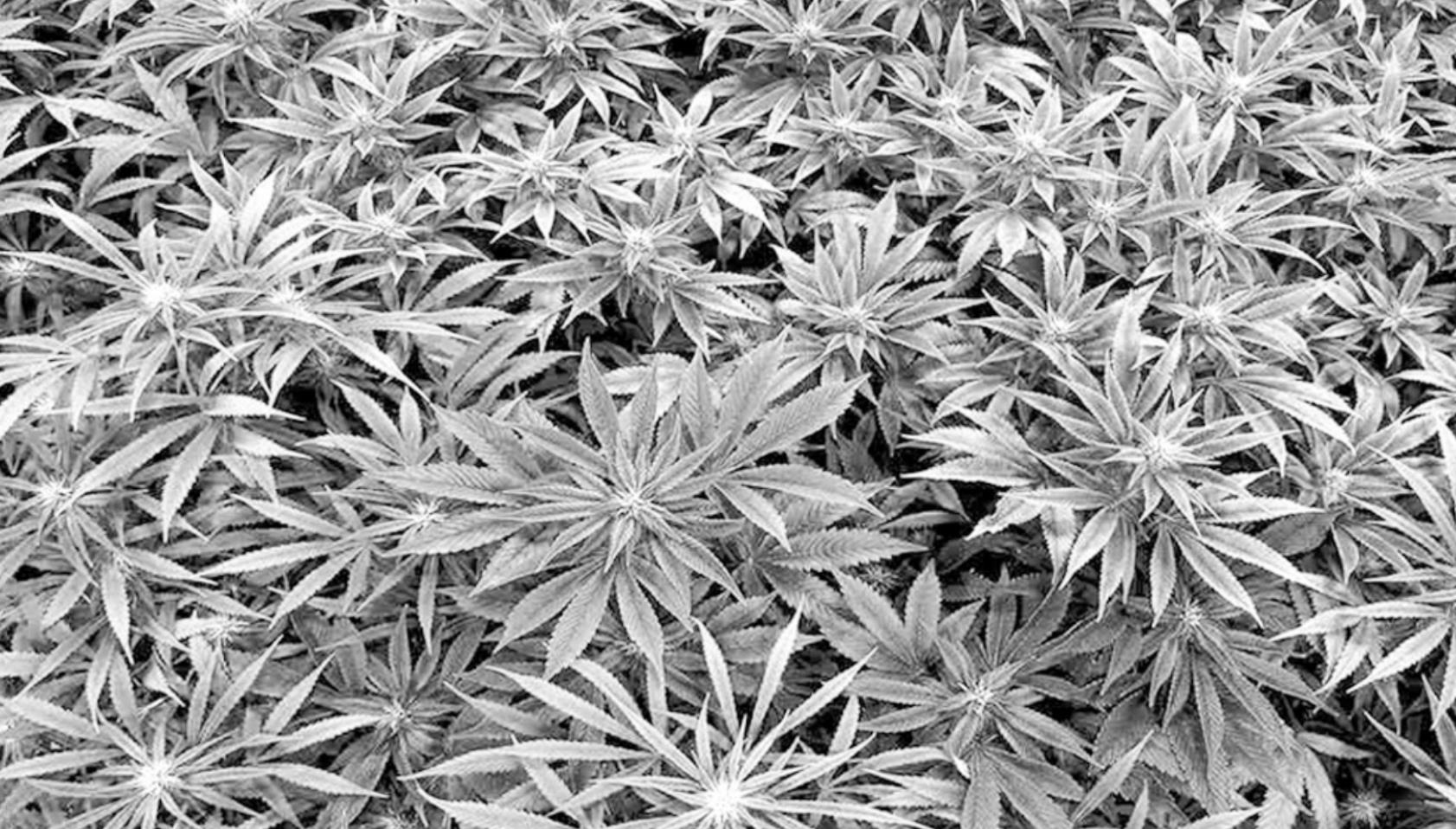
New Law Addresses Foreign Pot Growers
Stories That Foreign Investors Are Paying Large Sums of Cash For Land Concern Lawmakers
According to the Oklahoma Medical Marijuana Authority, (OMMA), there are currently 142 registered marijuana facilities in operation in Seminole County. This includes 112 growers, 12 processors, and 18 dispensaries. Like the rest of the state, it appears there has been an invasion of investors eager to cash in on this new industry.
Originally, there were no limits on marijuana business licenses and few rules on obtaining a medical card. Meanwhile, energy and building supplies were relatively cheap, creating a “gold rush” approach to the marijuana industry. A November 2020 article in Politico reported that Oklahoma has become the biggest medical marijuana market in the country per capita, with nearly 10 percent of the population acquiring a medical marijuana card. The second closest market is New Mexico, with only 5 percent of the residents receiving a license.
Although the vast majority of marijuana related businesses are legitimate and compliant with all laws and regulations, many Seminole County residents have heard stories of foreign investors paying above market prices for large tracts of land with cash and then quickly installing a large grow operation. These stories often imply there may be some type of suspicious element involved. Other convincing but unverified stories mention attempts at intimidating landowners or their neighbors to sell property.
Lawmakers from across the state heard the same type of stories, and they have been working to address these problems. HB 2272 was signed into law by Governor Stitt on May 12. Among other issues, HB 2272 requires anyone submitting for businesses license sign an attestation that disavows any foreign ownership. Failure to submit the attestation or accompanying information within the specified period can result in the immediate revocation of the medical marijuana business license.
“The issue of foreign investors purchasing land and facilities in Oklahoma in order to get into the medical marijuana business is something folks in my district are increasingly concerned about, and one that is a concern throughout the entire state,” State Senator Casey Murdock, who authored HB 2272 with State Representative Josh West, said. “This bill is aimed at creating transparency and accountability in our medical marijuana statutes when it comes to foreign investments.”
According to the mcafeetaft.com website, OMMA focuses on whether licensees have an equity ownership in a foreign medical marijuana business, such as a stake as shareholder, partner, or member. A foreign interest is not automatically disqualifying for a licensee, but noncompliance with this provision will result in immediate revocation of a business license.
The foreign investors portion of the bill went into effect on July 1. On September 1 another portion of the bill will take effect requiring the Oklahoma Medical Marijuana Authority to schedule an on-site meeting and compliance inspection of medical marijuana dispensaries, commercial grower sites, and processing sites to verify whether the licensee is actively operating or working towards operational status. Failure to provide proof of active operation or working towards operational status within the specified time would result in the termination of medical marijuana business licenses.
“This is a good first step at slowing down the black market, which is thriving in Oklahoma in this industry,” co-author Josh West stated after the bill had passed in the Senate.
Terri Watkins, Communications Director for OMMA, explains that existing Oklahoma law required that anyone applying for a license for any medical marijuana business license show twoyear residency in the State of Oklahoma, so each one of the licensed businesses will have already shown that. The new forms concerning foreign ownership can be obtained at the Oklahoma Bureau of Narcotics and Dangerous Drugs Control website, obndd.ok.gov. This is also the website to report any suspected criminal activity at grow sites or other marijuana businesses. OMMA will investigate any compliance complaints, and suspected violations can be reported at the oklahoma. gov/omma.html website.
Oklahoma SQ788 was the Medical Marijuana Legalization Initiative voters approved on June 26, 2018. Statewide, the SQ788 initiative provided for a 7 percent excise tax on marijuana sales. Revenue from the tax finances regulatory costs. Any surplus is to be distributed as follows: 75 percent to the General Fund to be used for education, and 25 percent to the Oklahoma State Department of Health to be used for drug and alcohol rehabilitation. The SQ788 tax is in addition to state and local sales tax.
In 2019 the SQ788 tax collected $24,156,269. Sales and local taxes collected an additional $30,594,902. In 2020 the SQ788 tax collected $56,345,888. Sales and local taxes collected an additional $71,593,772. Between January 1 and June 30 this year, the SQ788 tax collected $34,867,093. State and local taxes collected an additional $43,166,199.