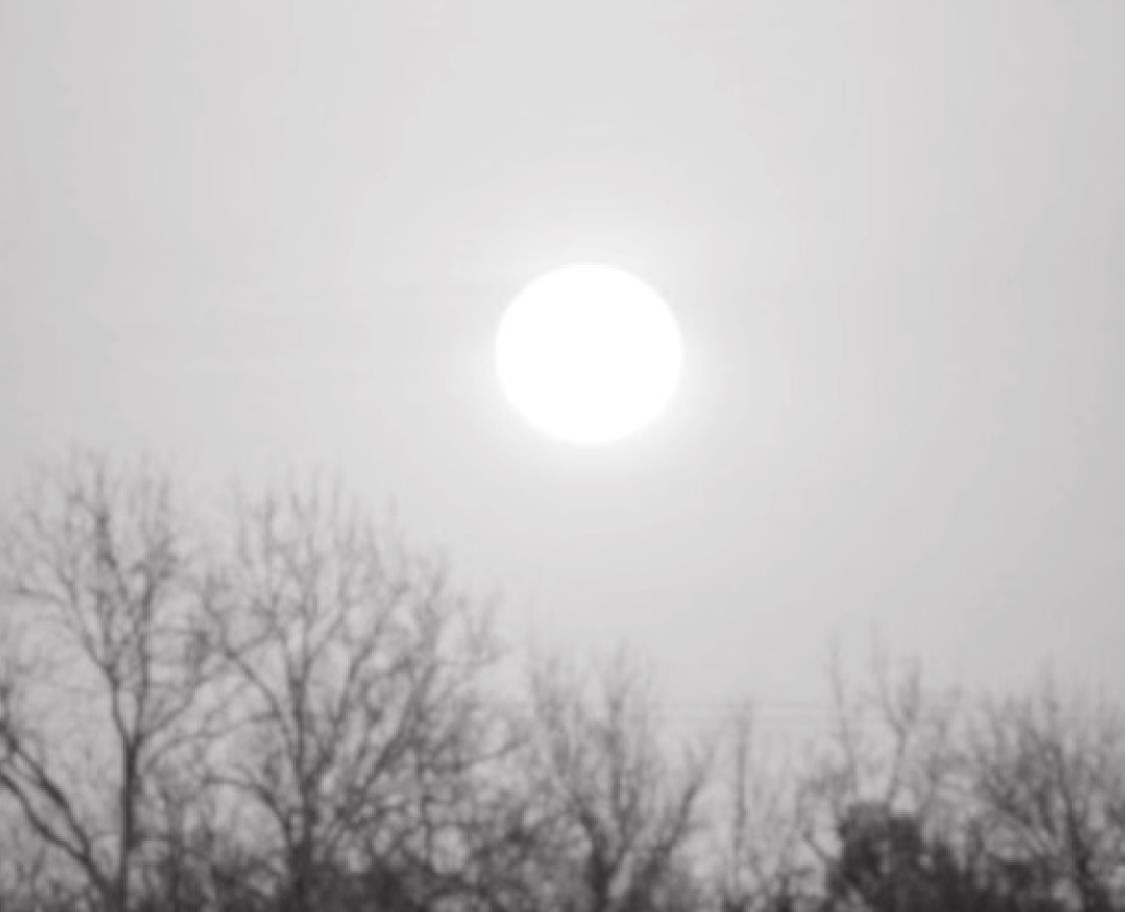
Final Supermoon of the Year
(CNN) The final supermoon of the year, rounding out a trio of spring supermoons that began in February, will occur during May’s full moon.
The big, bright moon appeared fullest on the morning of May 7 at 6:45 a.m. ET, according to NASA.
The moon will be in the constellation Libra.
The full moon was visible from the evening of May 6 until the morning of May 8.
This supermoon comes on the heels of the biggest and brightest supermoon of the year in April, but it is still more spectacular than a typical full moon.
NASA says this is the last supermoon of 2020 after a string of larger-than-usual moons early in the year, in February, March and April.
Supermoons occur when the moon is within 90% of perigee -- which is its closest approach to Earth in orbit.
The moon will appear brighter and bigger in the night sky, and hopefully no clouds and inclement weather obscured the view.
There is a very subtle difference in the moon’s size, as supermoons appear up to 7% larger and 15% brighter than the usual full moon.
The supermoon should have been visible to people around the world from dusk until dawn.
The flower moon, like many of the monthly moon names, can be attributed to how Native Americans tracked the seasons, according to the Old Farmer’s Almanac.
Given the wealth of flowers that bloom in May, this month’s full moon name is no surprise.
Specifically, Algonquin tribes referred to this as the flower moon in North America.
Normally, there are 12 full moons in a year because one occurs each month.
But in 2020, October will have two full moons, one on October 1 and then again on October 31.
Two full moons in the same month is known as a “blue moon.”
And the fact that the second one falls on Halloween truly makes this event “once in a blue moon.”