Potentially Dangerous Heatwave Begins
While potentially dangerous heat conditions are on tap for Seminole County over the next several days, rain is not.
A heat advisory was in effect Monday across Oklahoma and western north Texas with expected heat indices of 105 to 110 degrees, and that trend will likely continue into this weekend, according to the National Weather Service (NWS) in Norman.
“There is a medium-high (60-80%) probability that our temperatures will be likely above average towards the last week of July,” the NWS posted Monday.
Also on Monday, State Climatologist Gary McManus wrote in his daily weather blog that hot and dry forecast is reminiscent of July 2023.
“This looks a lot like what we saw in 2023, when exactly on this date two years ago, the heat struck with a vengeance for the first time that summer, and flash drought developed across the state. And it stayed warmer than normal for much of the rest of 2023,” McManus wrote. “Not saying that’s gonna happen here, just eerily similar. The rain is definitely not showing up just yet, but maybe a few showers and storms along the periphery of that heat dome overhead.”
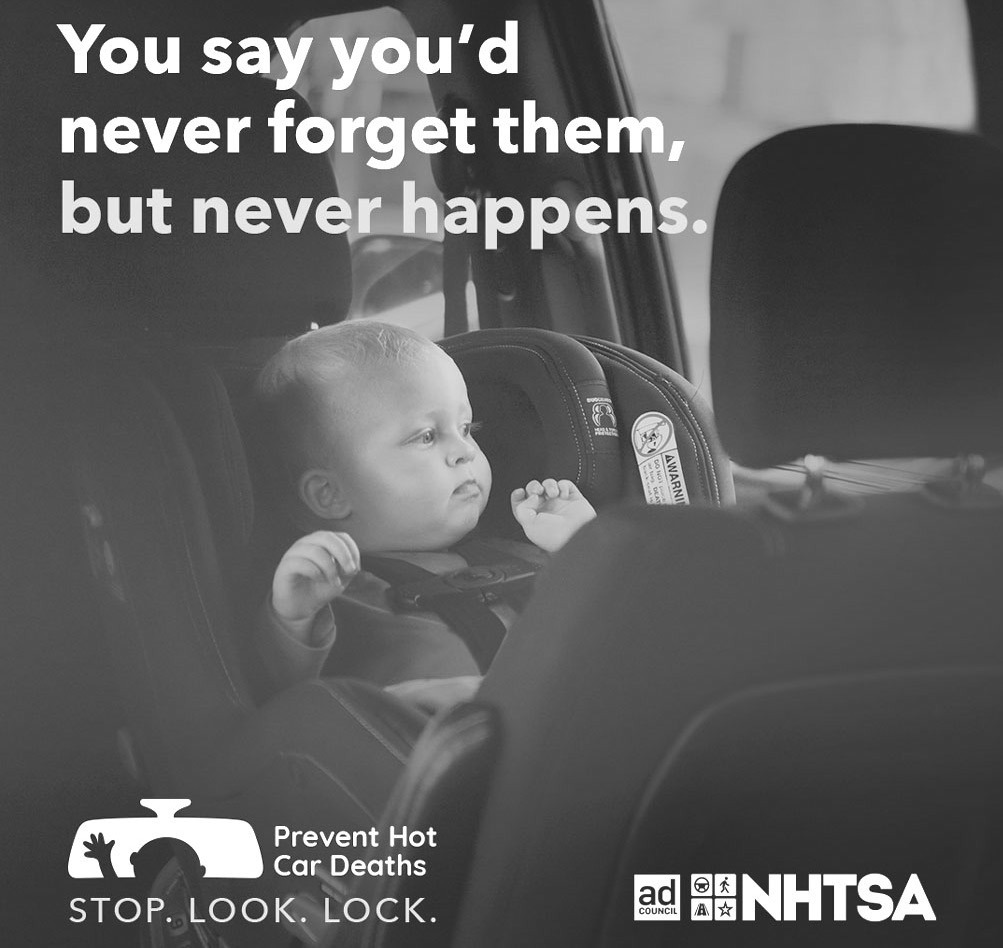
As the heat persists, drivers are reminded to NEVER leave a baby, senior or pet locked in a car, even for a few minutes. Dozens of infants and untold numbers of pets die every year in hot vehicles.
According to the National Highway Traffic Safety Administration, 39 children died from heatstroke after being left in a vehicle in 2024, and 15 deaths have been reported in 2025. Below are tips to prevent further tragedies.
Heat
1. Never leave a child in a vehicle unattended for any length of time. Rolling windows down or parking in the shade does little to change the interior temperature of the vehicle.
2. Make it a habit to check your entire vehicle — especially the back seat — before locking the doors and walking away. Over 50% of pediatric vehicular heatstroke deaths are a result of a parent or caregiver forgetting a child in a car.
3. Ask your childcare provider to call if your child doesn’t show up for care as expected.
4. Place a personal item like a purse or briefcase in the back seat, as another reminder to look before you lock. Write a note or place a stuffed animal in the passenger’s seat to remind you that a child is in the back seat.
5. Store car keys and fobs out of a child’s reach and teach children that a vehicle is not a play area.
If you see a child alone in a locked car, act immediately and call 911. A child in distress due to heat should be removed from the vehicle as quickly as possible and rapidly cooled.
In addition to making sure no deaths occur due to someone being left in a locked car, make sure to keep yourself safe if you’re out in the heat. The NWS offers the following tips: Slow down: Reduce, eliminate or reschedule strenuous activities until the coolest time of the day. Children, seniors and anyone with health concerns should stay in the coolest available place, not necessarily indoors.
Dress for summer: Wear lightweight, loose-fitting, light-colored clothing to reflect heat.
Eat light: Choose easyto- digest foods such as fruit or salads. If you pack food, put it in a cooler or carry an ice pack. Meats and dairy products can spoil quickly in hot weather.
Drink plenty of water (not very cold): Focus on non-alcoholic and decaffeinated fluids. Drink water even if you don’t feel thirsty. If you’re on a fluid- restrictive diet or have a problem with fluid retention, consult a physician before increasing consumption of fluids.
Use air conditioners: Spend time in air-conditioned locations such as malls and libraries if your home isn’t air conditioned.
Use portable electric fans: Fans exhaust hot air from rooms or draw in cooler air. Do not direct the flow of portable electric fans toward yourself when room temperatures are hotter than 90°F.
The dry blowing air will dehydrate you faster, endangering your health.
Minimize direct exposure to the sun. Sunburn reduces your body’s ability to dissipate heat. Take a cool bath or shower.
Do not take salt tablets: Only take salt tablets if recommended by a physician.
For more heat health tips, go to the Centers for Disease Control and Prevention: cdc.gov.