
latest

As Wednesday’s storms swept through Oklahoma, AAA reminds drivers that severe weather can occur unexpectedly at any time. The organization urges motorists to be prepared and take appropriate safety precautions if severe weather strikes while traveling in a vehicle.
Read moreFarmers have been pressured to increase production to meet the demand of a growing population. This may require employing more efficient measures to ensure maximum output. Unfortunately, efficiency doesn't always mesh with sustainability, so commercial operations have had to make some modifications to find a balance between serving the public and protecting the planet.
Read moreTractor accidents, grain entrapment and injuries from ornery livestock are just some of the dangers agricultural workers face every day. In fact, the National Institute for Occupational Safety and Health says agriculture is one of the most hazardous industries in the United States.
Read moreWho has the time and energy to have the most beautiful lawn on the block? You do! Whether you’re a brand new homeowner, a recently converted lawn lover, or the neighborhood grass guru who’s just trying to stay on top of it all, these 5 handy lawn hacks will cut down on lawn care time and effort so you can spend more of both enjoying your own personal green space.
Read more
STILLWATER, Okla. – When gardeners plant their vegetable and flower gardens, the edibles and ornamentals typically are located in different places. But planting them in the same bed is beneficial to pollinators.
Read moreWhat’s that you say? Your kids (or grandkids) came home saying they want to show an animal. Some well-meaning county extension agent, agriculture teacher, or family friend who clearly despises you told your child showing livestock would be fun. Now, it’s your job to figure out just how “fun” this new undertaking is going to be. Youth across the nation show a variety of animals, from horses to chickens. If it can walk or hop, chances are it can be shown. So what does a stock show project for the child living in your home entail? Here is a taste of what to expect when you’re expecting a show animal: Housing. First things first: you’ve got to have a place to house Bugs Bunny or Porky the Pig or Bessie the Cow or Lamb Chop or Clucky the Chicken (or whatever clever moniker you have chosen for your animal) when said animal first shows up at your home. While the size of the pen will vary from animal to animal, a few things will remain the same. The pen must keep the animal in a safe environment from which they can not escape from or be attacked by prey. The pen also must be kept clean and dry. Often this will entail shavings of some sort and regular cleaning. It should also be a place in which the animal can be fed and watered. Feed Costs. The next basic need for housing an animal on your premises is the need to keep them fed. As my father always explained to us as children, “you like to eat regularly each day and so do your animals.” Feeding twice per day - once in the morning, once in the evening - is standard protocol for most animals. With that feed, comes feed costs. This is where a real price difference per animal comes into play. While a chicken may eat as little as one-fourth a pound of feed per day, a show steer can easily eat 10-15 lbs of feed per day. Just like fuel for your car, fuel for your animal can get pricey. Make sure you’ve discussed in detail with your county agent or agriculture teacher just what types of feed costs you can expect to encounter with your show project. Show Fees. Now comes the fun part; the show! Depending on your species and geographic location, the animal may be shown 10-15 times over a 12-month period or simply once over a span of 90 days. Regardless of the number of shows the animal is entered in, there will be fees associated with each show. Fees are usually based on the number of animals entered, not the number of exhibitors, so can add up if you’re entering more than one animal per show. A standard fee would be in the range of $25 per animal per show.
Read more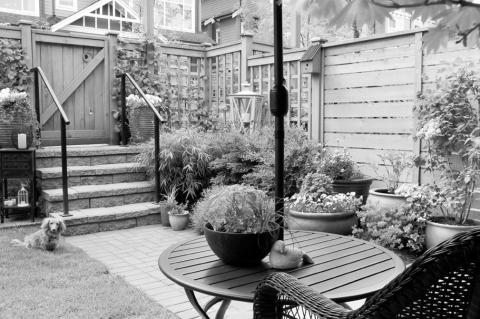
Backyarding is the practice of taking everyday activities – think entertaining, eating, working, and working out to name a few – into the green space around us. Even those living in an urban setting with a smaller yard – or no yard at all – can enjoy the benefits of backyarding, according to the TurfMutt Foundation, which advocates for the care and use of yards, parks, and community green spaces.
Read more